Low-carbon transition
Textile low-carbon policy response: functional-fabric assessment cannot rely on a single environmental label
An MIIT public response on textile green and low-carbon development outlines policy directions. For protective workwear, durability, repair, laundering, and end-of-life pathways also affect lifecycle judgment.
Dec 4, 2024 3 min read
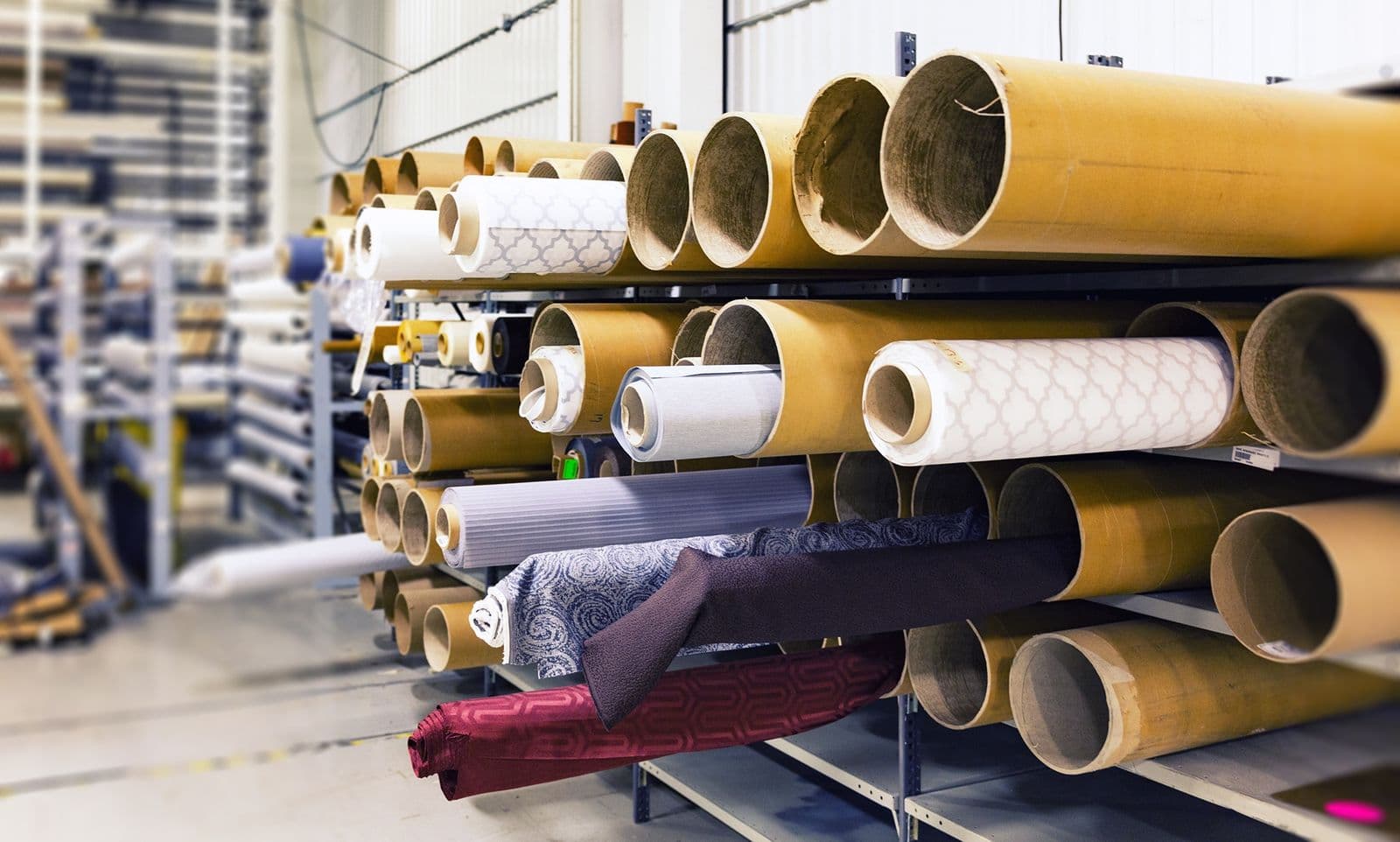
An MIIT public response on textile green and low-carbon development outlines policy directions. For protective workwear, durability, repair, laundering, and end-of-life pathways also affect lifecycle judgment.
Source-backed points
- MIIT published the public response on 4 December 2024.
- It discusses policy advancement for green and low-carbon textile development.
- Workwear environmental impact needs to be assessed with actual service life and maintenance practices.
Editorial context
A workwear item's environmental case cannot be decided by fiber composition alone. Better laundering durability, repairability, sizing fit, and quality consistency may reduce replacement frequency; conversely, environmental narratives without quality evidence can lead to poor purchasing.
Use boundary and next step
- Request expected laundry cycles, repair feasibility, and end-of-life pathways from suppliers.
- Verify lifecycle discussions separately from site safety, standards, and cost models.
Sources: 中华人民共和国工业和信息化部《关于推动纺织工业绿色低碳发展的公开答复》. This is an independently written, link-and-summary editorial note; it does not republish source text, images, or attachments. For standards, procurement, and safety decisions, use the original record and qualified professional advice.
Sources and references
- 关于推动纺织工业绿色低碳发展的公开答复
中华人民共和国工业和信息化部 · Dec 4, 2024
#低碳纺织#功能性面料#生命周期
Content and rights:Demo copy is original to Yuanzhiwang. Future third-party material will only be published when rights allow, with source URL, publication time, rights status and editorial review retained.