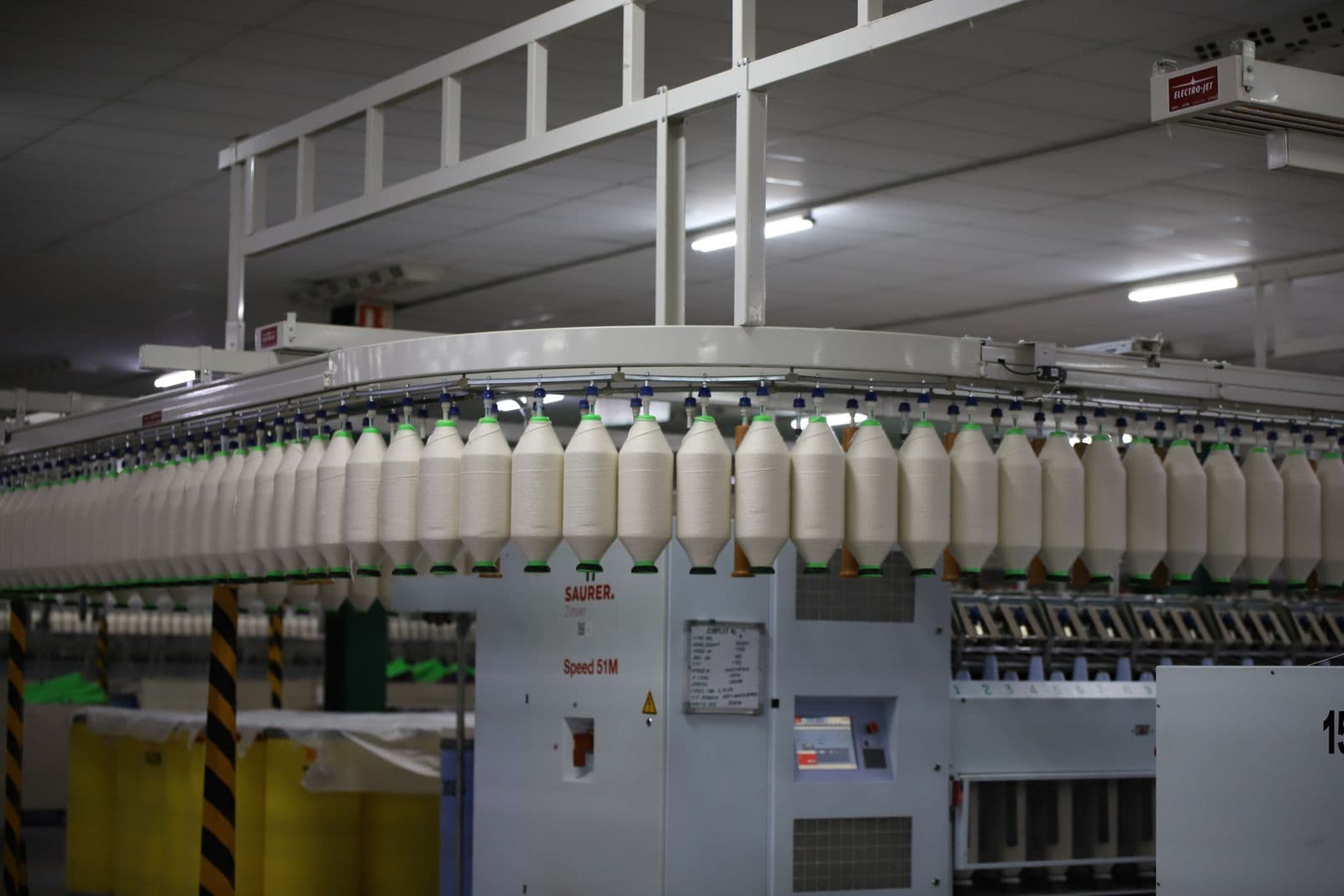
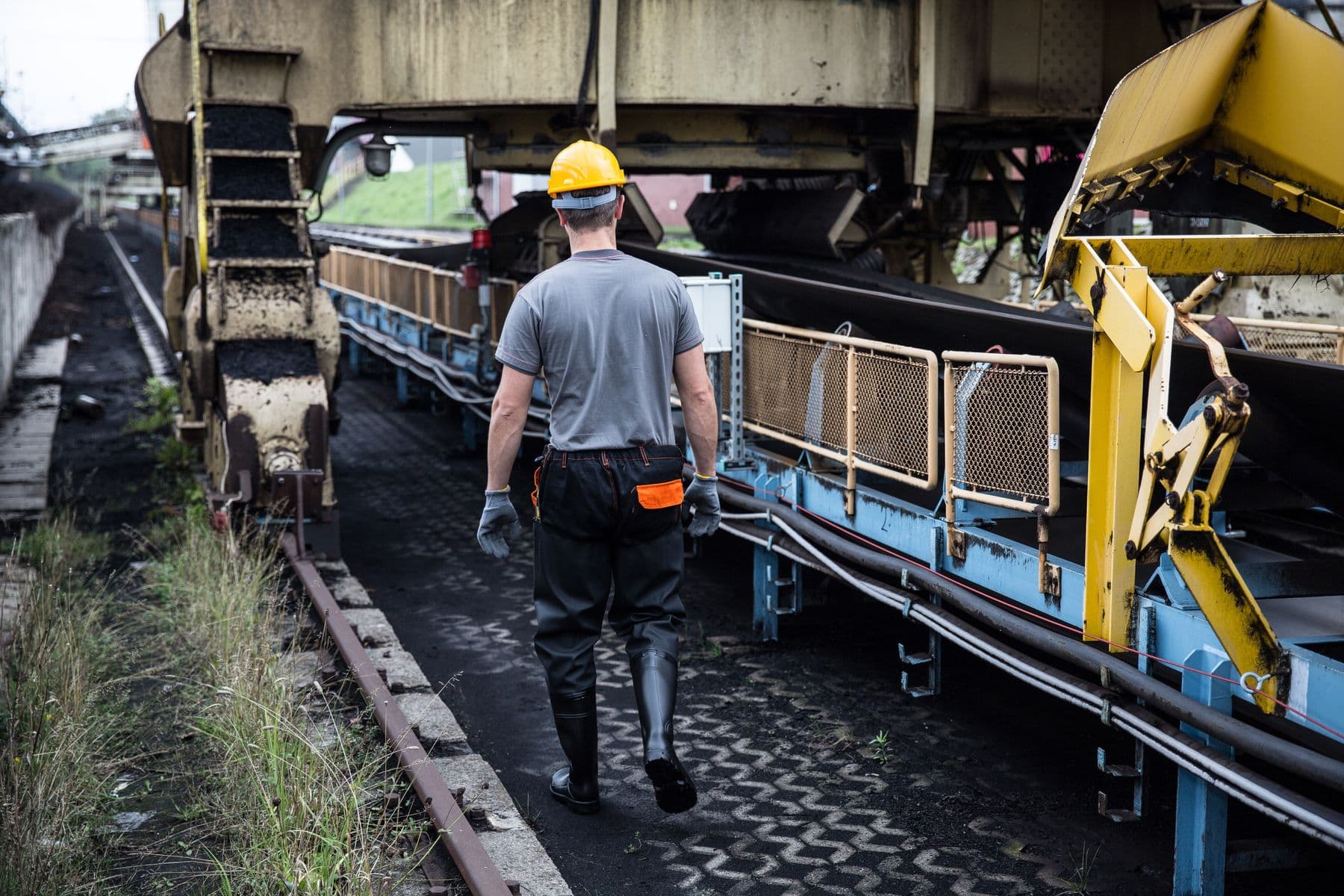
Energy companies are moving from uniform issue to scenario-based workwear protection
Maintenance, energized work and oil-and-gas inspection show how workwear programs are shifting toward risk matching, role fit and lifecycle control.
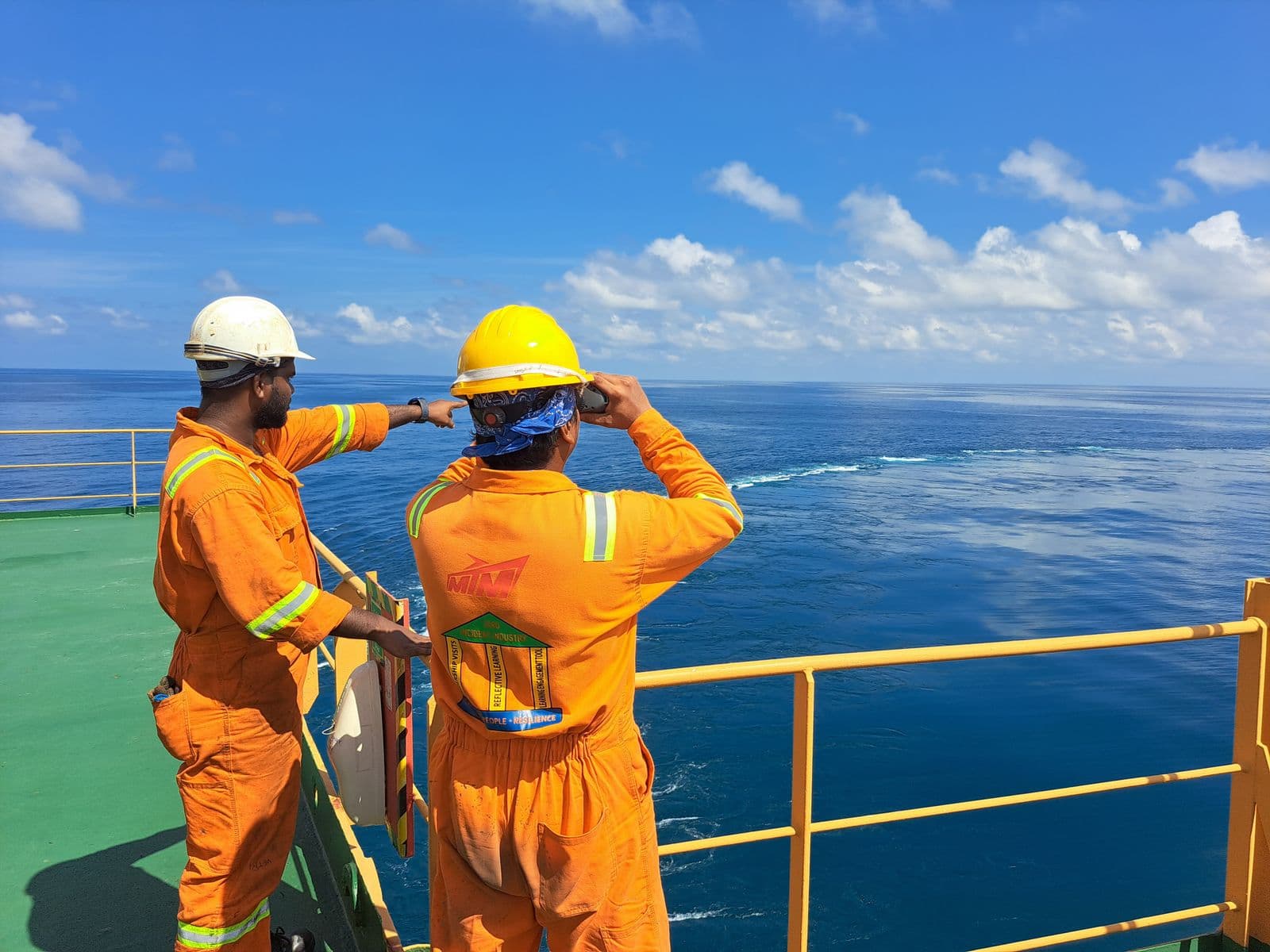
Uniform issue makes budgeting and inventory simpler, but it does not explain why a garment is suitable for a particular task. More energy companies are putting the role, work environment and exposure profile ahead of the product list.
Build a risk-scenario register, not only a role list
One role may cover routine inspection, planned maintenance and emergency response. Exposure to heat, flame, electric arc, static electricity, mechanical hazards and weather can vary substantially between those tasks.
Turn allocation rules into an actionable matrix
- Record the principal hazards, frequency, duration and environment for each task.
- Define garment layers, material requirements, identification and compatibility with other protective equipment.
- Include wearer trials, size coverage and specific workforce needs in procurement acceptance.
Manage the entire service life
Management continues after issue. Distribution, laundering, repair, performance review, incident reporting and retirement records should be linked to batches and roles so procurement, safety and users can trace problems together.
Demo note: this article illustrates an editorial structure and does not replace a site risk assessment, applicable standards or professional safety advice.