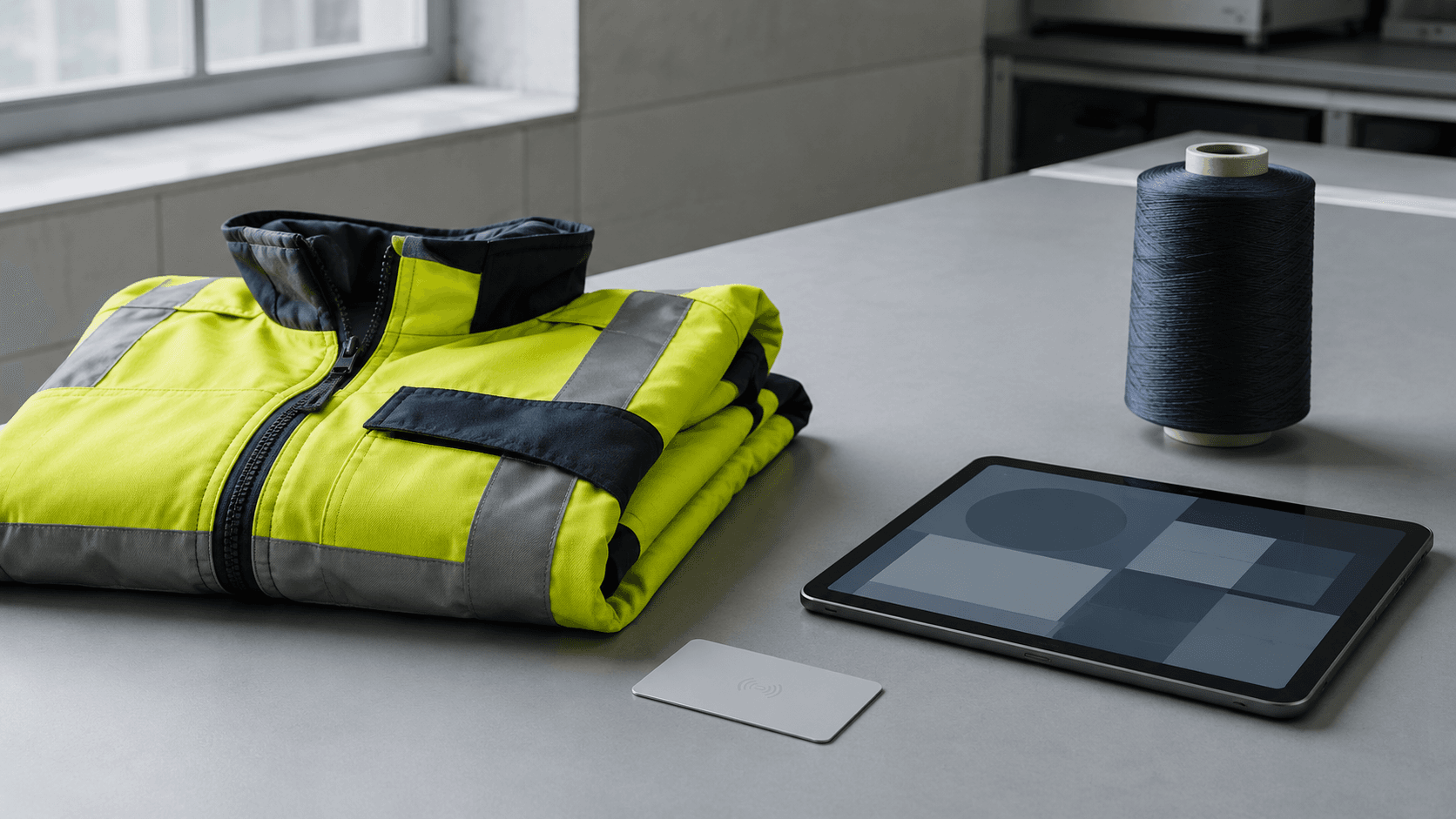
Textile low-carbon policy response: durability, repair, and laundering belong in workwear environmental information
MIIT's public response on green and low-carbon textile development provides policy context. Environmental judgement for functional workwear cannot look only at fiber content; service life, repair, laundering, and retirement pathways also change resource use.
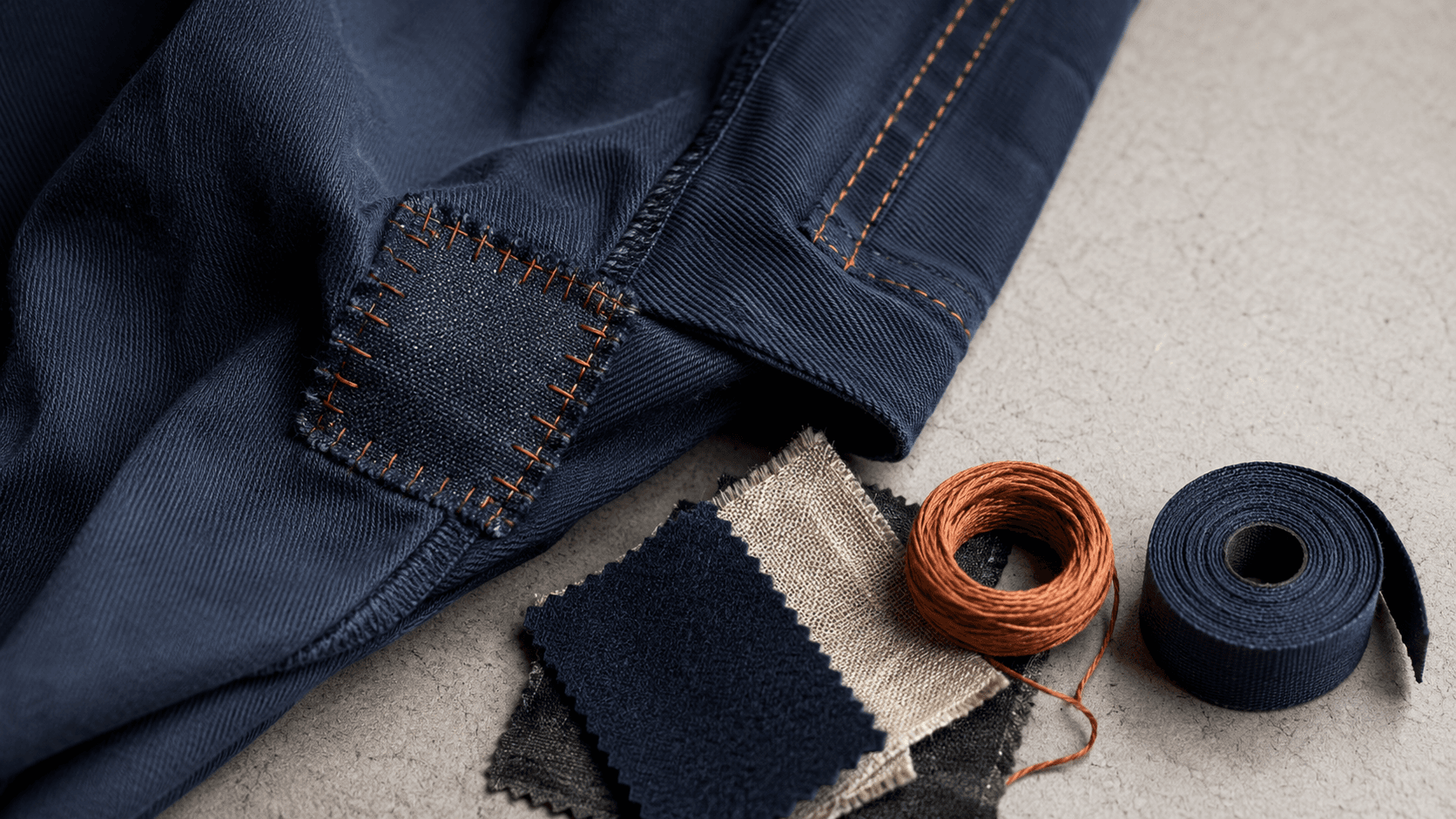
MIIT's public response on green and low-carbon textile development provides policy context. Environmental judgement for functional workwear cannot look only at fiber content; service life, repair, laundering, and retirement pathways also change resource use.
The public record notes: The public response was released on 4 December 2024. It discusses policy advancement for green and low-carbon textile development. Policy context is not environmental certification of a material, product, or supplier.
For environmental information to help procurement, each claim should state scope, service-life assumption, maintenance conditions, and evidence source. Otherwise, 'green' becomes a label that cannot be compared or audited later.
Source: 中华人民共和国工业和信息化部: 关于推动纺织工业绿色低碳发展的公开答复.
- Publication sur ce site
- 4 déc. 2024
- Auteur ou organisation
- 源织网编辑部 / Yuanzhiwang Editorial
- Vérification
- Vérifié
- Droits d’utilisation
- Résumé de faits publics
- 关于推动纺织工业绿色低碳发展的公开答复
中华人民共和国工业和信息化部
- Publication de la source
- 4 déc. 2024
- Date de collecte
- Non renseigné
- Auteur ou organisation
- 中华人民共和国工业和信息化部
- Vérification
- Partiellement vérifié
- Droits d’utilisation
- Résumé de faits publics