Green-factory evaluation stresses evidence: environmental data cannot replace workwear performance files
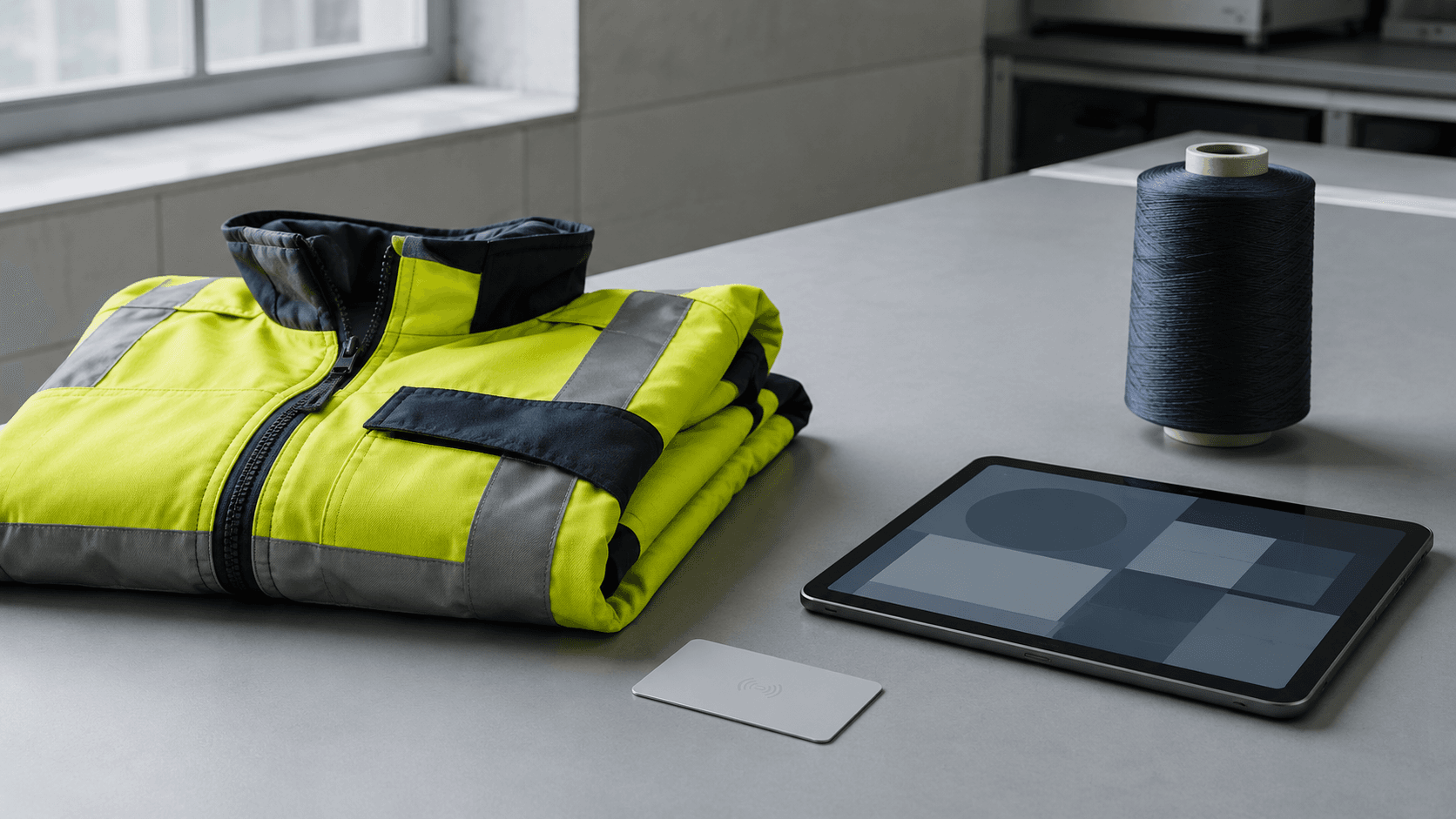
MIIT's interpretation of the 2025 green-factory and green-park list stresses online submission and supporting evidence. Workwear supply chains can borrow the evidence-management approach, but environmental data, protective performance, and compliance conclusions still need separate records.

MIIT's interpretation of the 2025 green-factory and green-park list stresses online submission and supporting evidence. Workwear supply chains can borrow the evidence-management approach, but environmental data, protective performance, and compliance conclusions still need separate records.
The public record notes: The interpretation mentions a common online evaluation tool, enterprise data entry, and uploaded evidence. Green-manufacturing examples include energy monitoring, process control, and resource use. A green-factory designation or case does not automatically prove that a garment meets a specific protective requirement.
The common confusion is putting a supplier's green information directly into a product-performance field. A safer approach is to link every environmental claim to scope, evidence, and review date, alongside—not in place of—material and garment test files.
Source: 中华人民共和国工业和信息化部: 《工业和信息化部办公厅关于公布绿色工厂、绿色工业园区(2025年度)名单的通知》解读.
- Published on this site
- Mar 10, 2026
- Author or organization
- 源织网编辑部 / Yuanzhiwang Editorial
- Verification
- Verified
- Usage rights
- Summary of public-record facts
- 《工业和信息化部办公厅关于公布绿色工厂、绿色工业园区(2025年度)名单的通知》解读
中华人民共和国工业和信息化部
- Source publication date
- Not recorded
- Fetched at
- Not recorded
- Author or organization
- 中华人民共和国工业和信息化部
- Verification
- Partially verified
- Usage rights
- Summary of public-record facts