ISO 20471:2013: high visibility is a separate requirement, not flame or arc protection
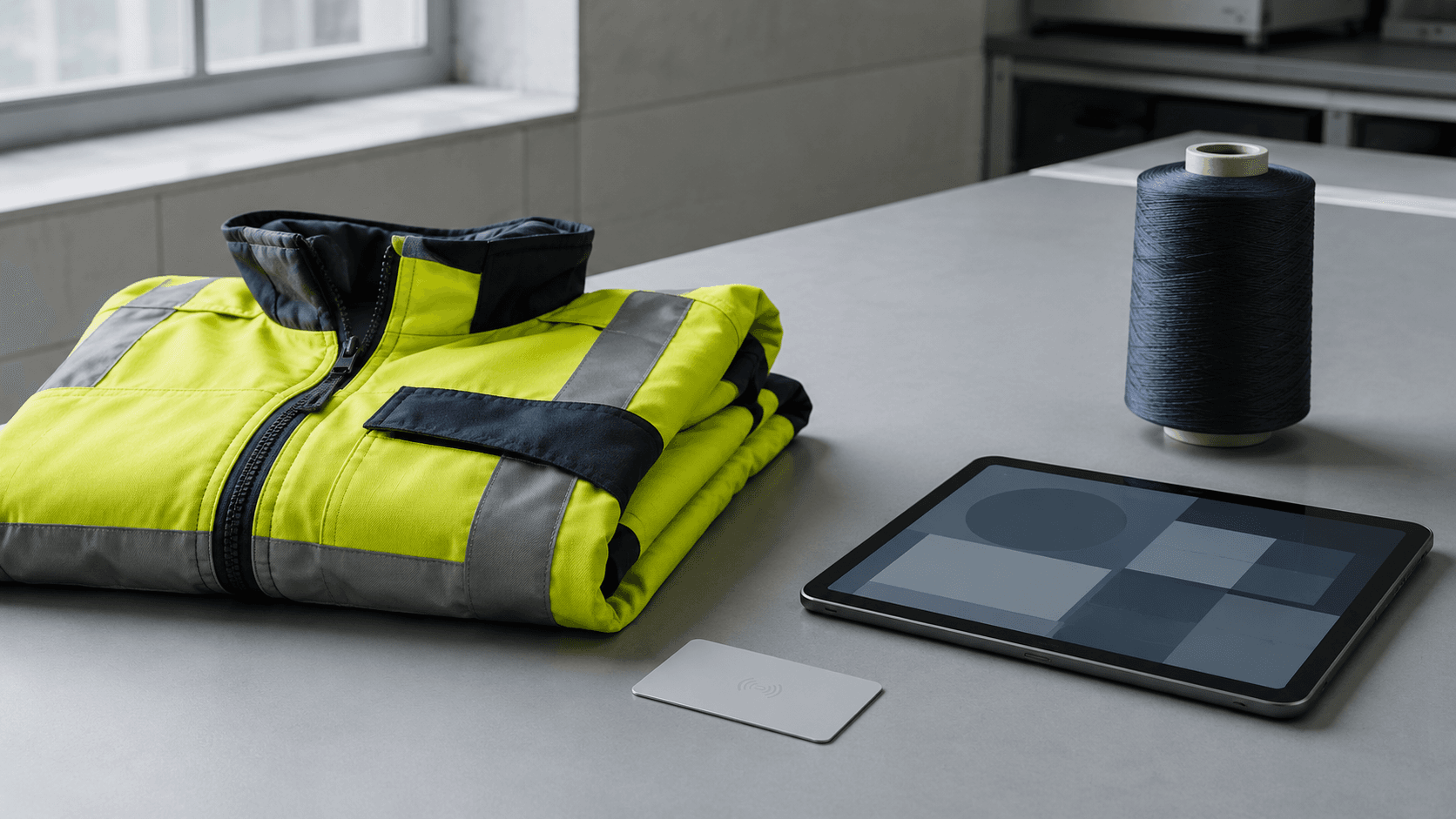
ISO lists ISO 20471:2013, High visibility clothing — Test methods and requirements. For road, night, or complex construction conditions, visibility should be specified separately; it does not replace clothing-performance assessment for other hazards.
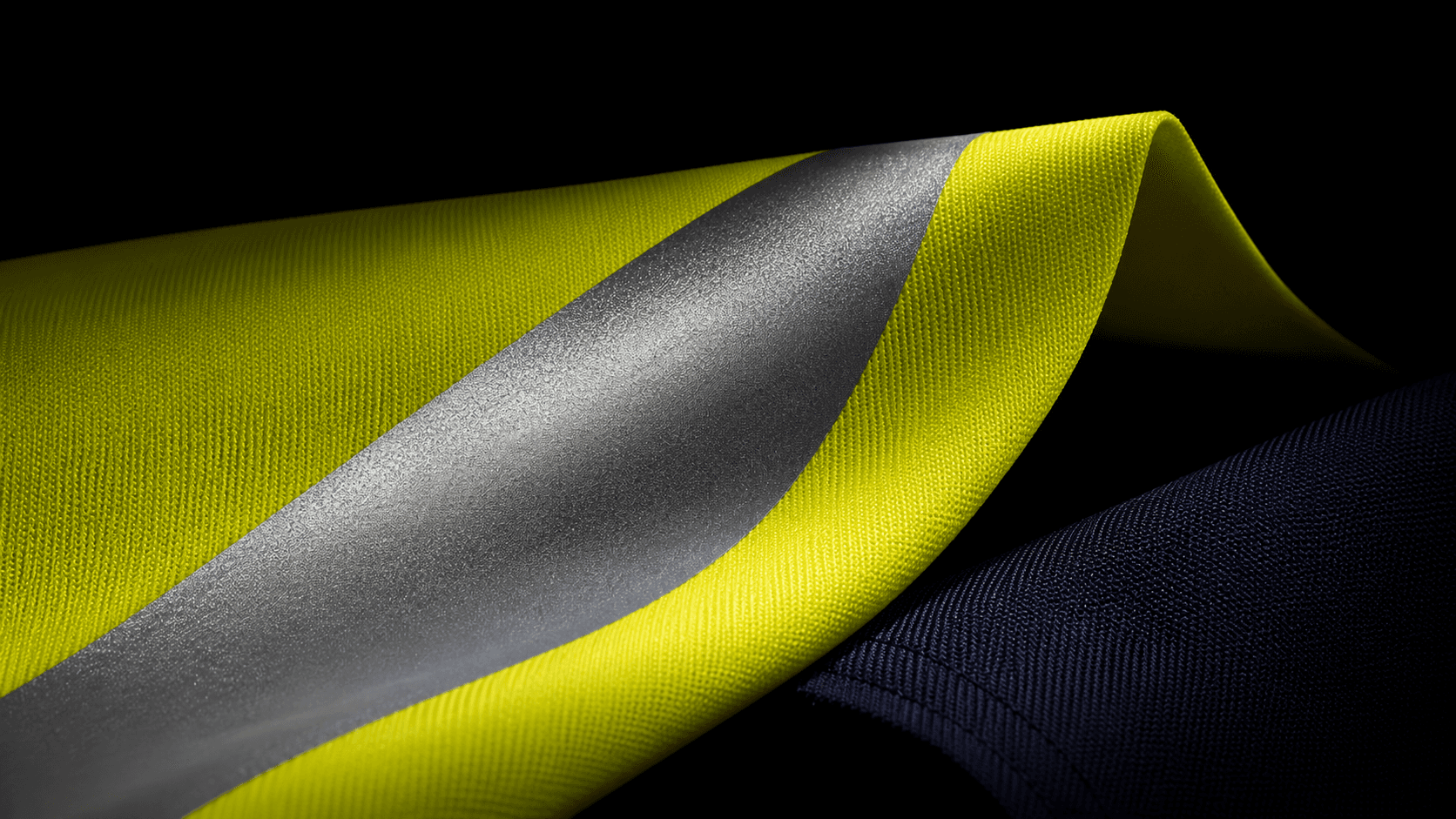
ISO lists ISO 20471:2013, High visibility clothing — Test methods and requirements. For road, night, or complex construction conditions, visibility should be specified separately; it does not replace clothing-performance assessment for other hazards.
The public record notes: The ISO page shows the edition was published on 1 March 2013. Its title concerns test methods and requirements for high-visibility clothing. High visibility is a different dimension from conclusions about thermal, arc, chemical, or mechanical hazards.
Sites often compress reflective, conspicuous, and safe into one phrase, yet background, viewing distance, obstruction, soiling, and laundering all affect visibility. The specification should state the target context and place visibility evidence alongside—not in place of—other performance evidence.
Source: International Organization for Standardization: ISO 20471:2013 High visibility clothing — Test methods and requirements.
- Published on this site
- Mar 1, 2013
- Author or organization
- 源织网编辑部 / Yuanzhiwang Editorial
- Verification
- Verified
- Usage rights
- Link and summary only
- ISO 20471:2013 High visibility clothing — Test methods and requirements
International Organization for Standardization
- Source publication date
- Mar 1, 2013
- Fetched at
- Not recorded
- Author or organization
- International Organization for Standardization
- Verification
- Verified
- Usage rights
- Link and summary only