GB 12158—2024: static-accident prevention and why workwear selection cannot rely on label stacking
GB 12158—2024, General requirements for preventing electrostatic accidents, was published in 2024 and takes effect in 2026. Antistatic clothing is only one element of static-risk control and cannot be evaluated apart from location, grounding, process, and other equipment.

GB 12158—2024, General requirements for preventing electrostatic accidents, was published in 2024 and takes effect in 2026. Antistatic clothing is only one element of static-risk control and cannot be evaluated apart from location, grounding, process, and other equipment.
Source-backed points
- The standard was published on 31 December 2024 and took effect on 1 January 2026.
- It replaces GB 12158—2006 and GB 13348—2009.
- Its subject is general requirements for preventing electrostatic accidents, not a stand-alone certification of a garment.
Editorial context
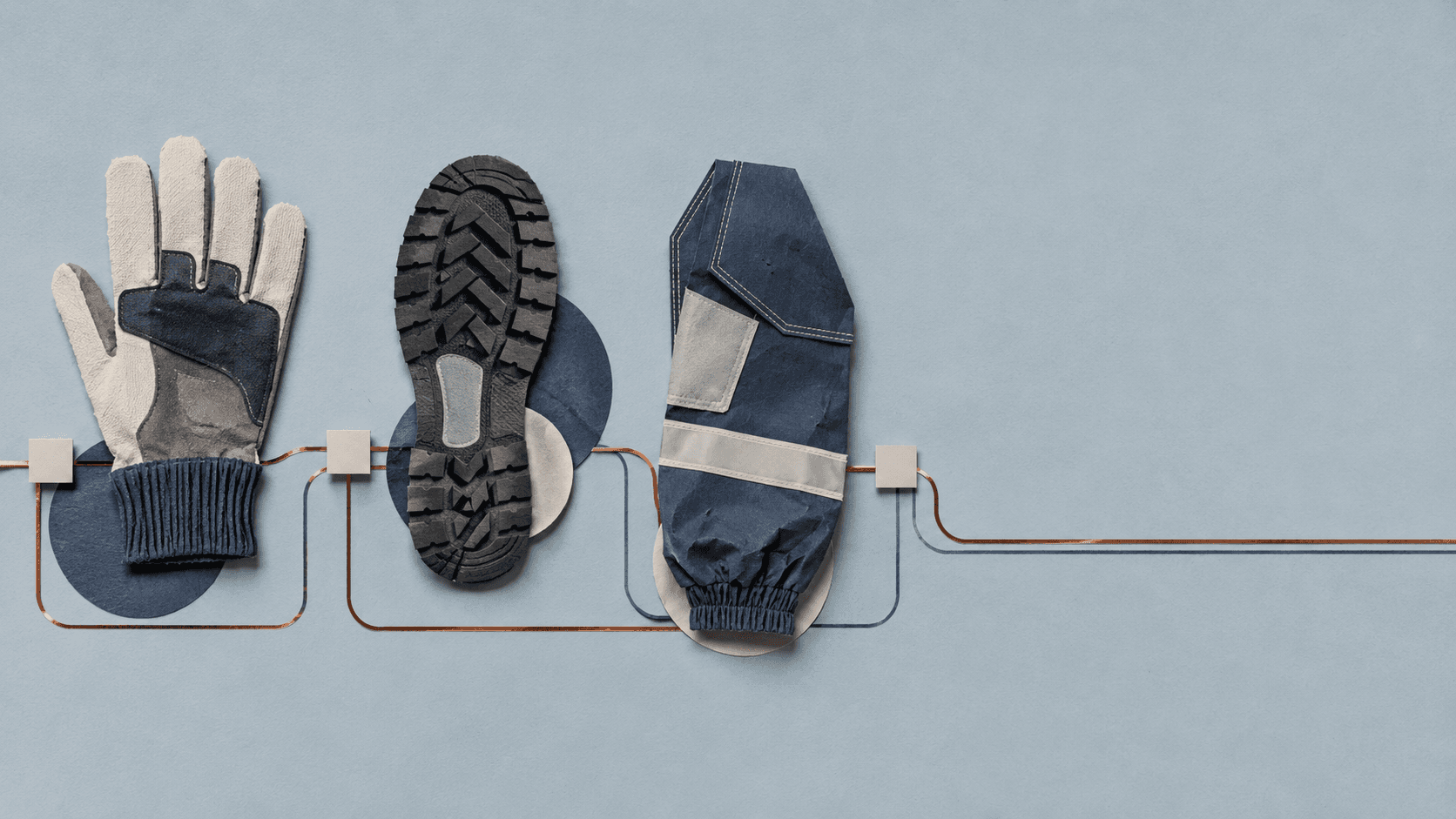
In oil and gas, chemical, and dust contexts, garment selection must sit within a complete static-control plan. Procurement should ask about the use environment, associated footwear and equipment, laundering, marking, and delivery batches rather than letting the word 'antistatic' cover every risk.
Use boundary and next step
- File garment-performance evidence separately from facility static-control measures.
- Ask competent safety professionals to confirm project requirements; do not use this summary as a design basis.
Sources: 全国标准信息公共服务平台《GB 12158—2024 防止静电事故通用要求》. This is an independently written, link-and-summary editorial note; it does not republish source text, images, or attachments. For standards, procurement, and safety decisions, use the original record and qualified professional advice.
- Published on this site
- Dec 31, 2024
- Author or organization
- 源织网编辑部 / Yuanzhiwang Editorial
- Verification
- Verified
- Usage rights
- Summary of public-record facts
- GB 12158—2024 防止静电事故通用要求
全国标准信息公共服务平台
- Source publication date
- Dec 31, 2024
- Fetched at
- Not recorded
- Author or organization
- 全国标准信息公共服务平台
- Verification
- Verified
- Usage rights
- Summary of public-record facts