INSIGHTS
展示会の手法、AI活用、業界の視点。出典、日付、確認状況を明示します。
最新 · 40
GB 39800.2—2020 is China's PPE provision part for oil, chemical, and natural-gas industries. It provides an industry lens for discussion, while each site, unit, and job still needs specific hazard identification.
GB 39800.1—2020 is the general part of China's PPE provision series. It is a useful entry point for organizing provision logic, not a replacement for industry-specific parts, product standards, or site risk assessment.
IEC 61482-2:2018 provides requirements and test methods for protective-clothing materials and garments where electric-arc thermal hazards may occur. IEC explicitly excludes shock, noise, light, pressure, hot oil, and several head/face/hand/foot risks.
保守、活線作業、石油・ガス巡視などを例に、作業服の配備がリスク適合、職務適合、ライフサイクル管理へ移る流れを整理します。
手入れ条件、採取、試験、記録、廃棄基準を決める実務的な方法です。
作業別に防護、気候、着用性、視認性、ライフサイクル管理を整理します。
洗濯条件、ロット安定性、試験記録、受入検査を一体で管理する方法です。
ISO 13688:2013 covers general requirements such as ergonomics, innocuousness, sizing, ageing, compatibility, marking, and manufacturer information. ISO states that it should be used with standards for specific protective performance.
ISO lists ISO 20471:2013, High visibility clothing — Test methods and requirements. For road, night, or complex construction conditions, visibility should be specified separately; it does not replace clothing-performance assessment for other hazards.
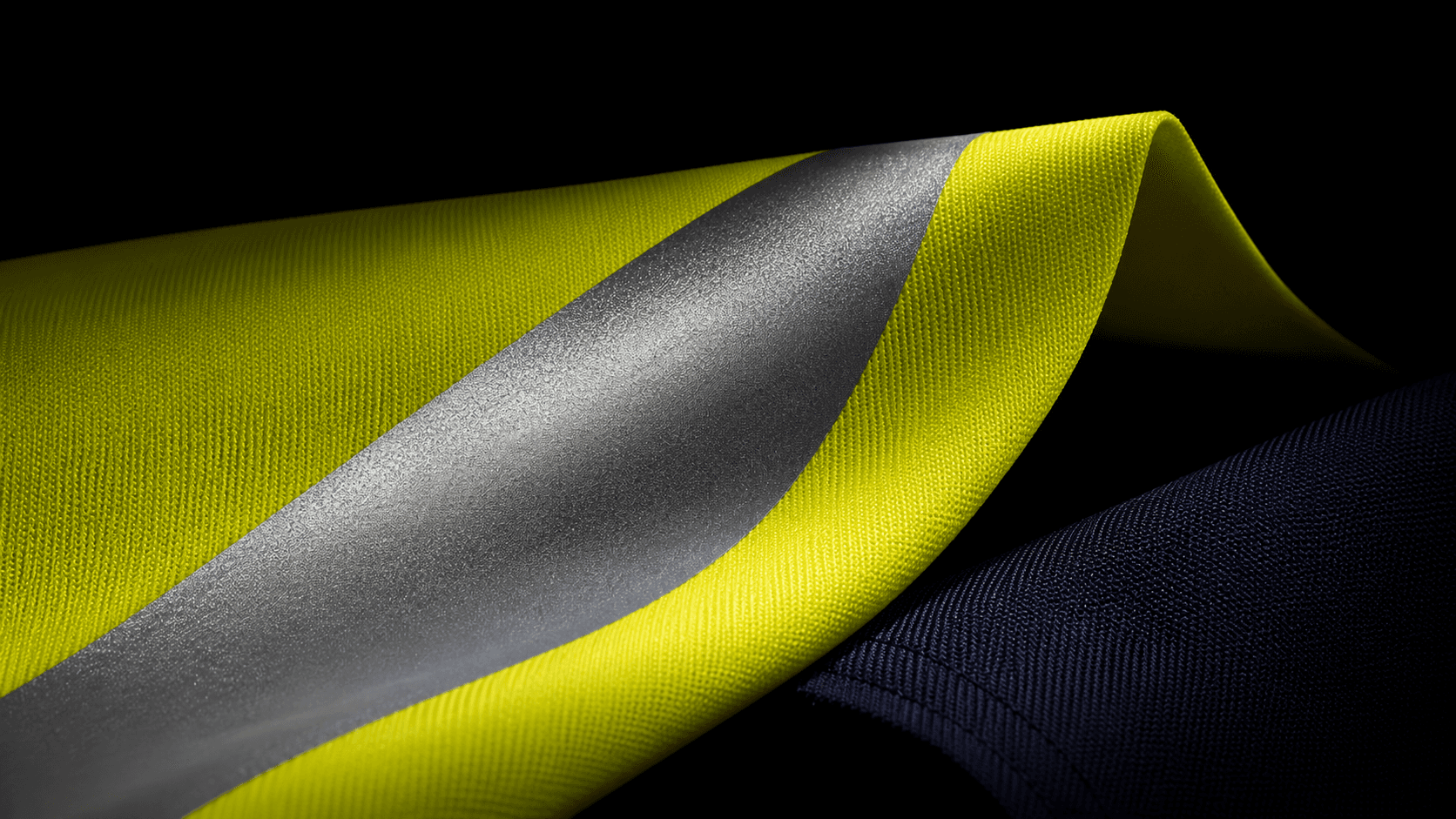
ISO 20471:2013 concerns high-visibility clothing intended to signal the wearer's presence in daylight and under vehicle headlamps. It addresses color, retroreflective performance, minimum areas, and material placement.
YOUR NEXT EVENT STARTS HERE
つなぎたい人、解決したい課題、残したい価値をお聞かせください。