ENERGY SAFETY INDUSTRY HUB
エネルギー作業服の調達、安全管理、素材、企業動向を追います。
最新 · 30
SAMR's public explanation of the GB 39800 rollout emphasizes sector differences, job hazards, and provision management. Procurement teams can use a job-risk matrix to organize requirements, but standard numbers alone do not replace site risk assessment.
China's multi-agency green-manufacturing guidance provides a policy direction for manufacturing transition. Workwear procurement can use it to structure environmental-information collection, but no environmental statement should be treated as proof of protective performance or compliance.
NFPA's public page lists the 2024 edition of NFPA 70E, Standard for Electrical Safety in the Workplace. It can help multinational teams organize electrical-work safety questions, but it does not automatically become an applicable requirement in China or another market.
China's National Public Service Platform for Standards lists GB 39800.6—2023, PPE provision specification — Part 6: Electric power. It offers a public entry point for power-sector provision discussion, while actual procurement still needs current applicability, job, and site-condition checks.
China's waste-textile circularity implementation opinion provides background for recovery systems. Where workwear carries contamination, company identifiers, or protective use, sorting, de-identification, and final disposition need confirmation first.
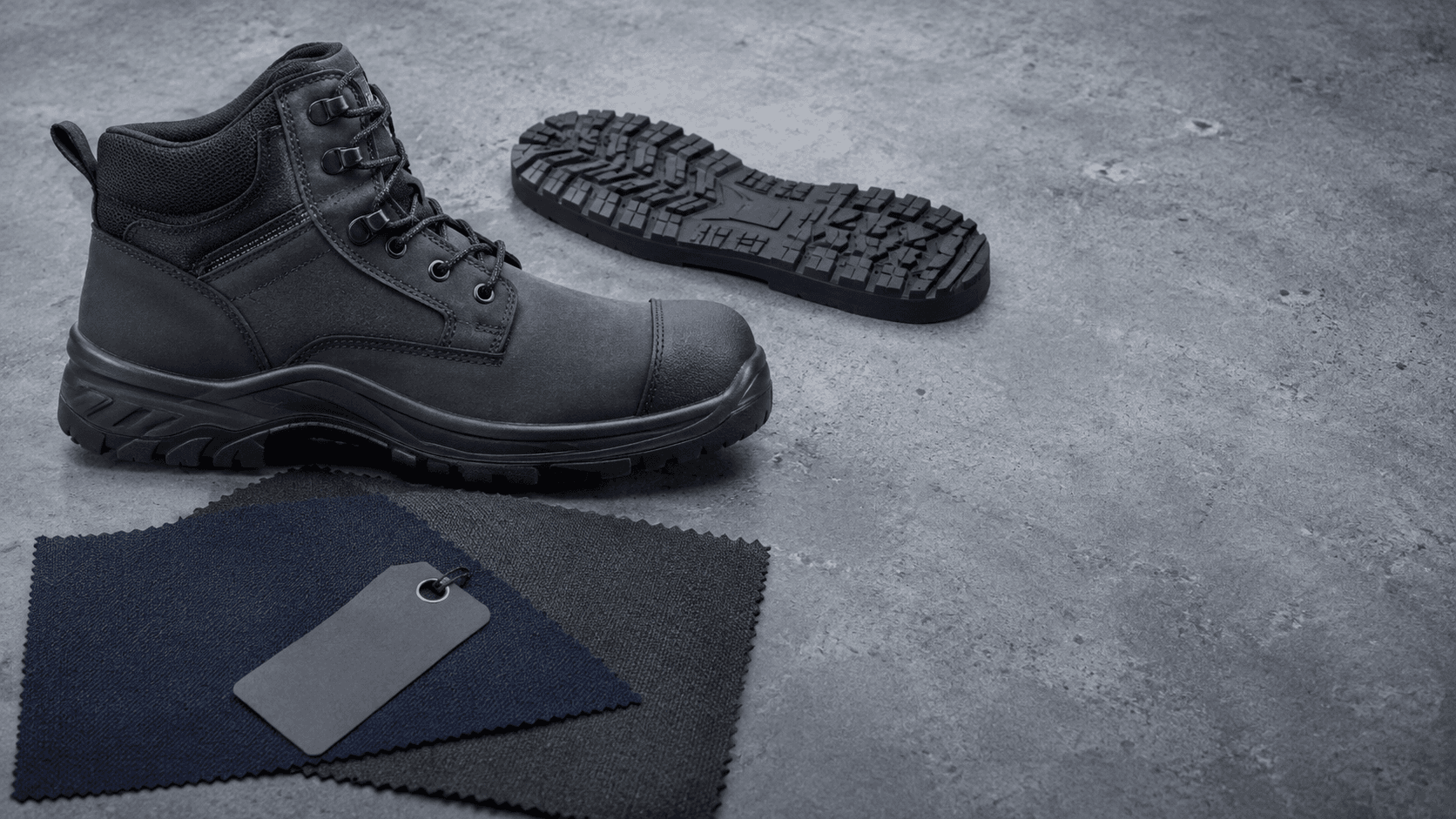
ISO lists ISO 20347:2021, Personal protective equipment — Occupational footwear. Workwear projects often bundle footwear with garments, but foot hazards, sizing, ground conditions, and care cycles should be reviewed separately.
保守、活線作業、石油・ガス巡視などを例に、作業服の配備がリスク適合、職務適合、ライフサイクル管理へ移る流れを整理します。
作業別に防護、気候、着用性、視認性、ライフサイクル管理を整理します。
洗濯条件、ロット安定性、試験記録、受入検査を一体で管理する方法です。
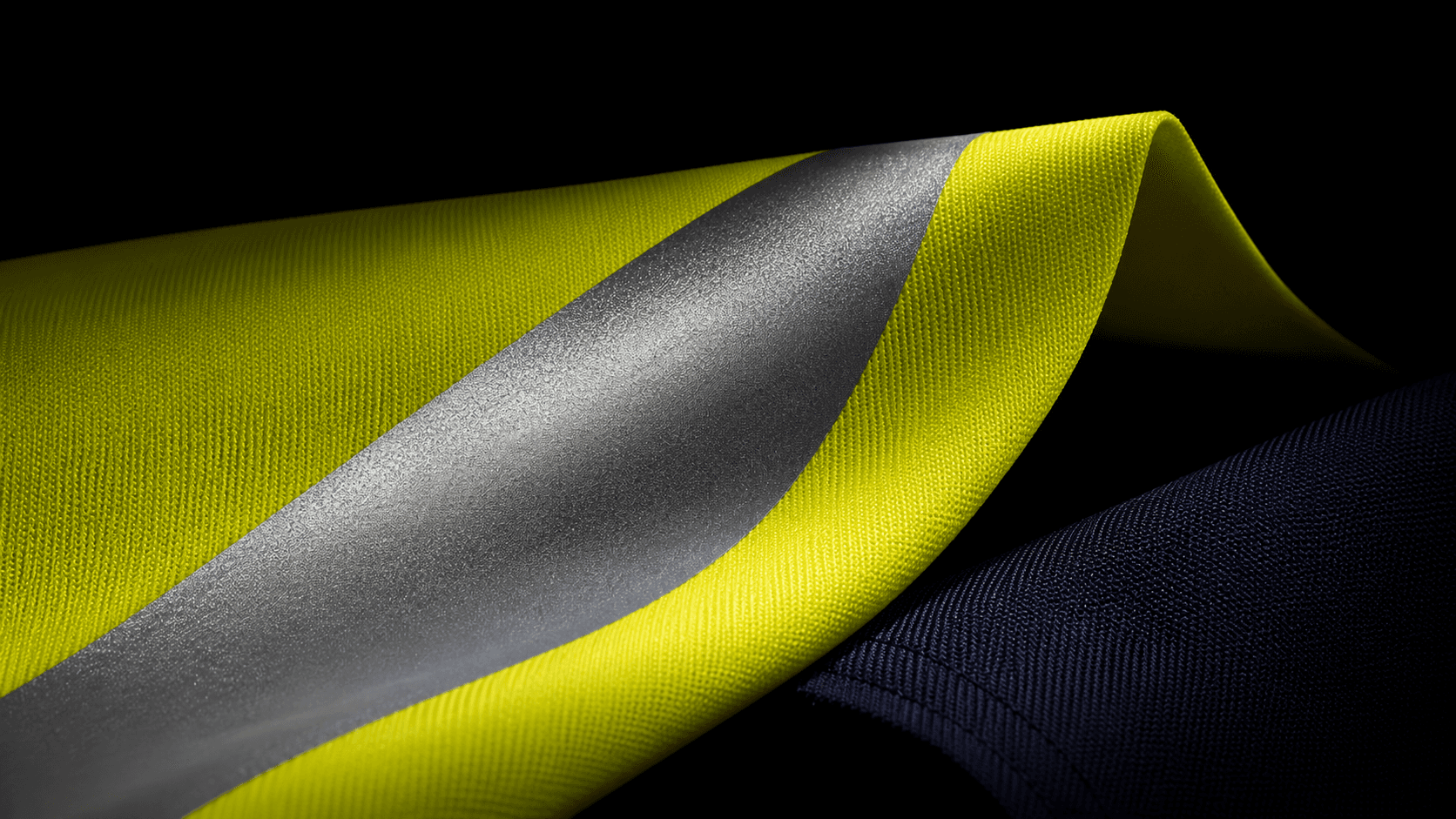
ISO lists ISO 20471:2013, High visibility clothing — Test methods and requirements. For road, night, or complex construction conditions, visibility should be specified separately; it does not replace clothing-performance assessment for other hazards.