INSIGHTS
展示会の手法、AI活用、業界の視点。出典、日付、確認状況を明示します。
最新 · 40
A three-agency remediation plan emphasizes purchase, receiving, and worksite control. For workwear, quantity and appearance checks cannot replace verification of model, evidence documents, fit, training, and actual field-use state.
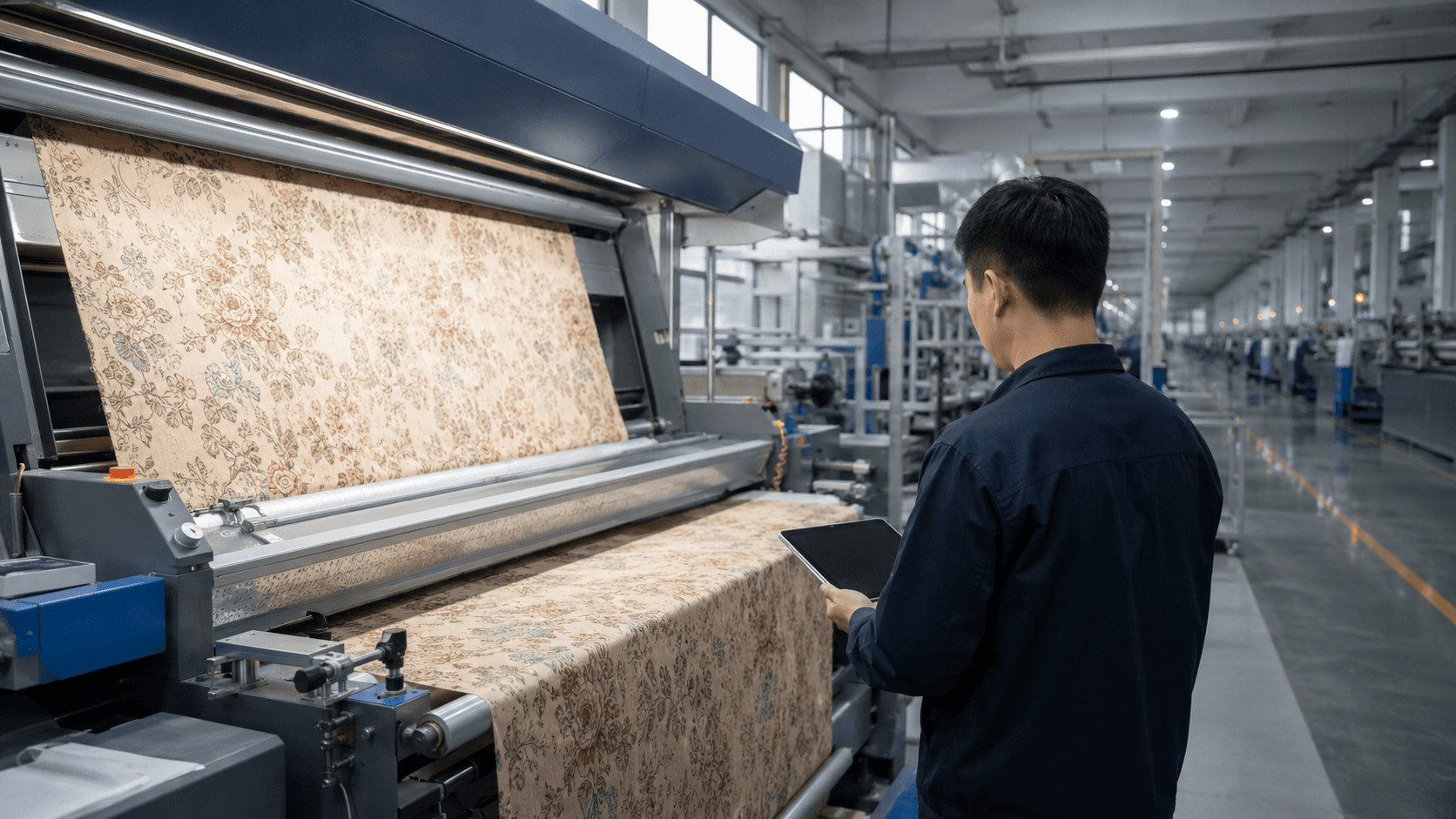
MIIT's 2025 first-half industrial briefing disclosed sector metrics such as numerical-control use in key textile processes and digital R&D-tool adoption. They are useful industry context, not evidence of an individual supplier's onsite capability.
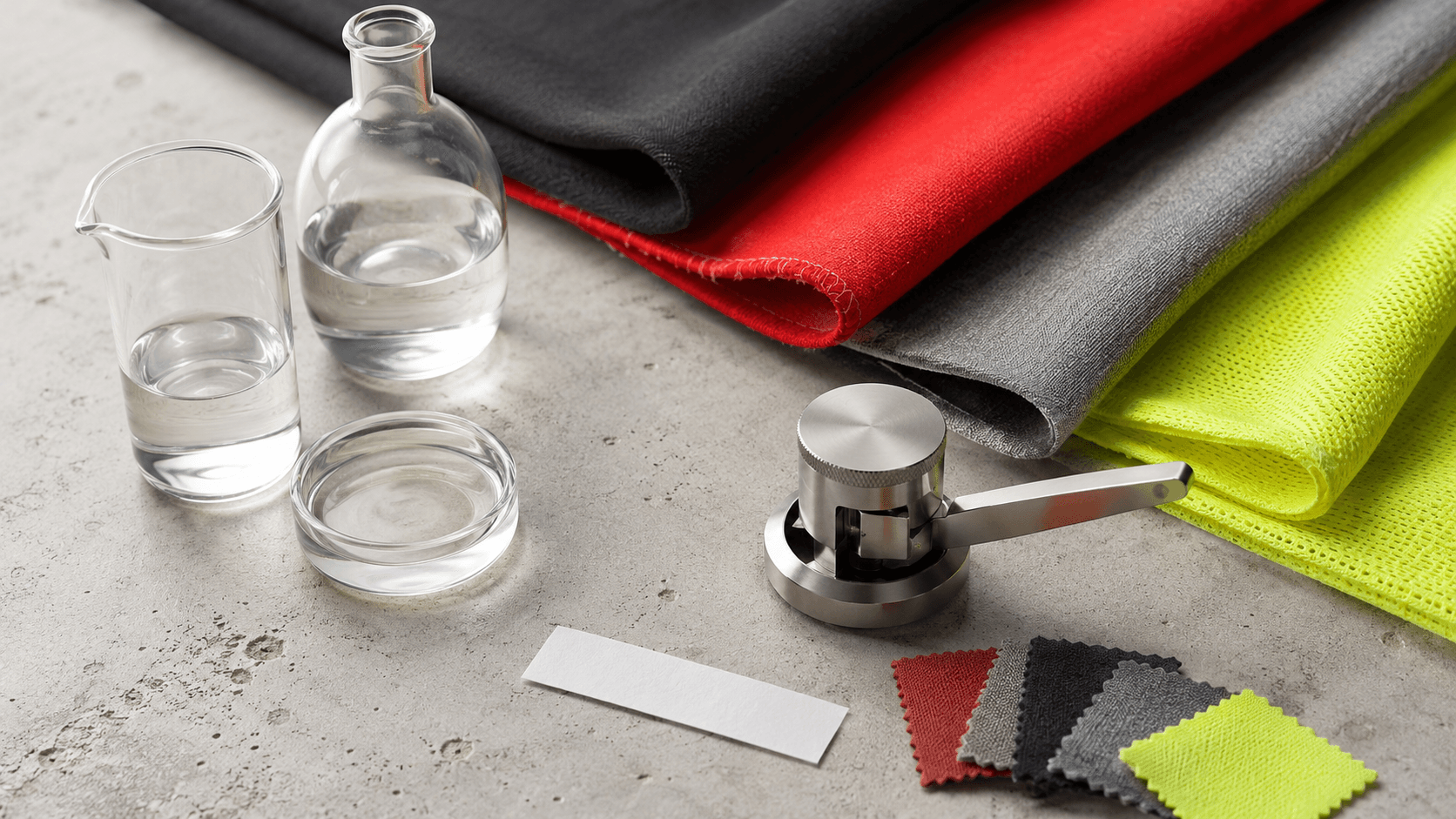
China's national standards platform lists GB 31420—2025 requirements for toxic, hazardous, and restricted substances in PPE. Material-compliance testing and flame, antistatic, or durability performance are different evidence dimensions and cannot substitute for each other.
Six Chinese agencies issued a textile-industry digital-transformation plan. Workwear businesses should focus on reliably handing product, batch, test, delivery, and after-sales data across functions—not merely adding a presentation system.
A 2025 MIIT–MOFCOM notice calls for upstream–downstream linkage, digital services, and international exchange. For workwear supply chains, public activities are not order commitments, but they can help benchmark sampling, testing, lead-time, and after-sales coordination.
Public information for GB 12158—2024 concerns general requirements for preventing electrostatic accidents. Antistatic garments belong within a broader control system covering environment, grounding, process, footwear, and worker behavior—not as a single solution.
危険、素材、服の構造、PPEの組合せ、手入れから複合防護を評価します。
MIIT's public response on green and low-carbon textile development provides policy context. Environmental judgement for functional workwear cannot look only at fiber content; service life, repair, laundering, and retirement pathways also change resource use.
OSHA issued a proposed rule on indoor and outdoor heat injury and illness prevention in 2024. It is neither a Chinese mandatory requirement nor a final rule, but provides a public reference for multinational discussion of heat exposure, work practice, and workwear comfort.
The European Commission's explanation of the Ecodesign for Sustainable Products Regulation identifies textiles and apparel as a priority product direction. Workwear companies can begin regulatory watching and data preparation, but specific duties depend on product and subsequent rules.
YOUR NEXT EVENT STARTS HERE
つなぎたい人、解決したい課題、残したい価値をお聞かせください。